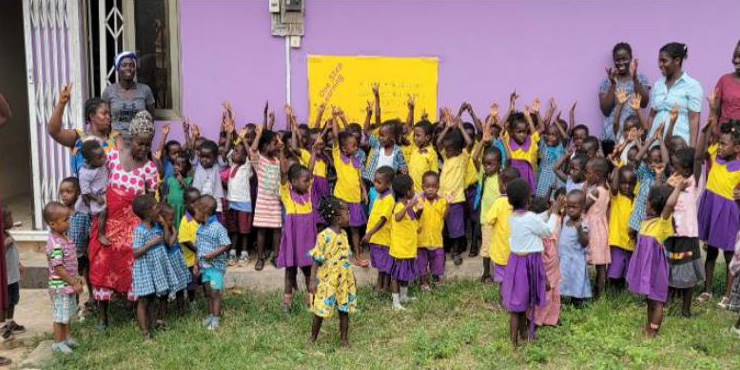

Partner with OSL through funding, donations, volunteer service, research, collaboration, or professional expertise. Your involvement can strengthen bilingual literacy, STEAM learning, educator development, WASH, nutrition, conservation, child protection, and safe transportation—while creating measurable benefits for children, families, and the wider community.
Value Proposition

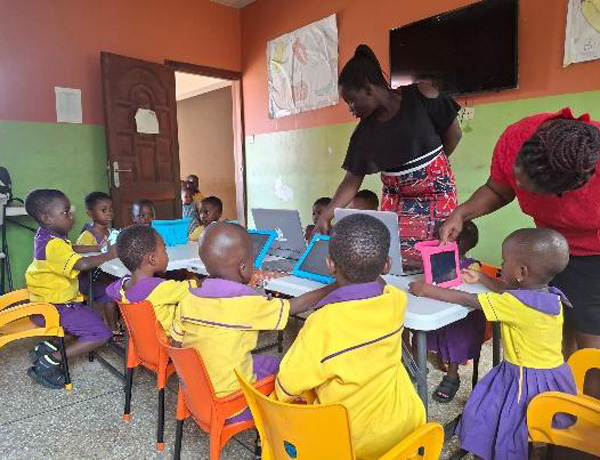
OSL is an established tangible community program with verifiable activities, results, projects, and financial reporting. Since opening in late 2021, it has created 16 full-time jobs and built a sustainable foundation for early learning in an underserved community. For less than C$70 per month, OSL provides one child with early education that supports language development, social growth, and readiness for primary school. Further evidence of OSL’s work and stewardship is available in the  2025 Annual Report and Financial Statements, 2025–2029 OSL Strategic Business Plan, December 2024 Evaluation Report, and Impact Profile.
What Guides Us
Purpose and charitable mandate: The Canada Revenue Agency recognizes OSL as a qualifying charity that provides community based educational programs. OSL’s Legal Entity documents also identify it as Black-led, Black-mandated, and serving Black communities, (B3) among other designations in Canada and Ghana.
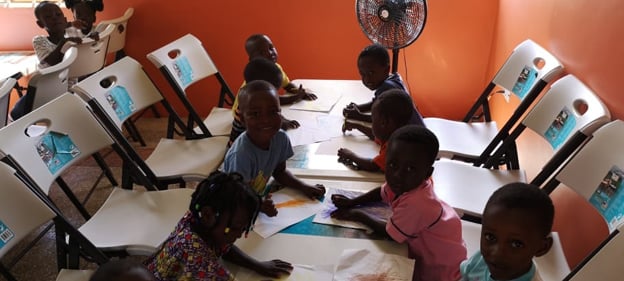
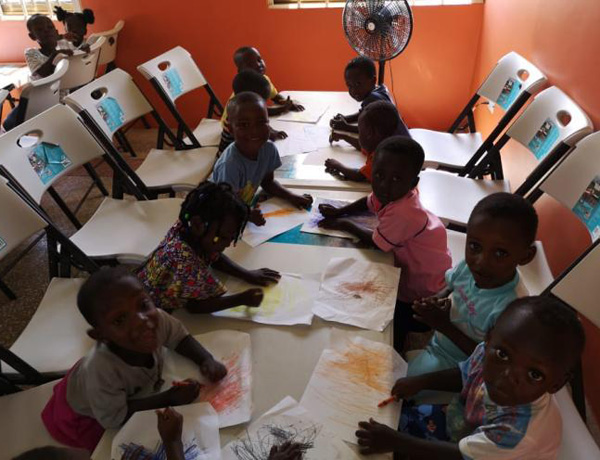
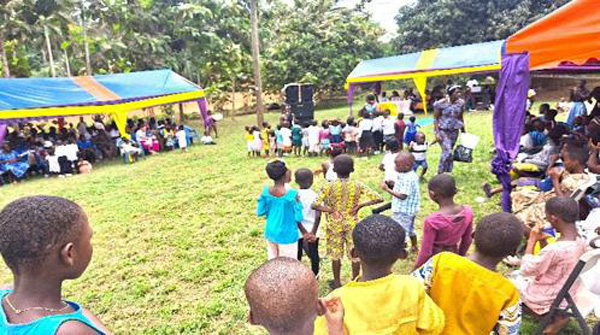
- A rural area of about 16,000 residents that previously had no daycare now has an established centre serving Entumbil and six surrounding towns.
- The founders provided their property rent-free for 30 years, an estimated $241,000 contribution in forgone rent, to support the long-term sustainability of early childhood literacy.
- The holistic 2026 Curriculum and Lesson Plans draws on Ghana’s Kindergarten Curriculum, Alberta’s Flight framework, and other relevant resources.
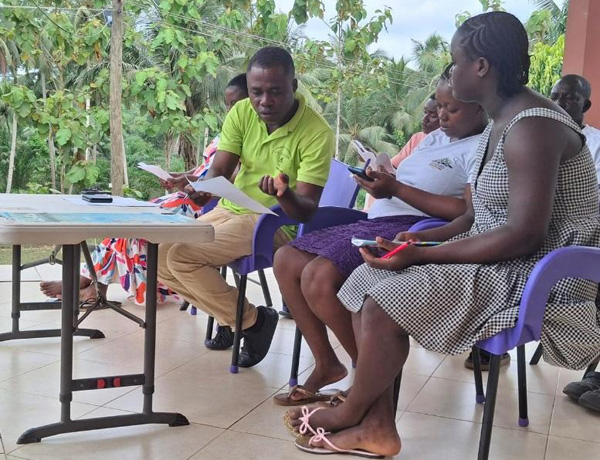
- Ghana-based staff, parents, community representatives, and local institutions participate in decisions, not simply implementation.
- OSL has held Canada Revenue Agency charitable status since August 2020 and can issue donation tax receipts.
Parents report meaningful literacy gains and positive economic effects, reinforcing OSL’s credibility and readiness for sustainable support. Their experiences show how early learning can benefit both children and their families. After enrolling her two children at OSL, parent Akosua Maame opened a kiosk. She shared: “My daughter and son can now read words like ‘beef,’ ‘pear,’ and ‘fruit’ on store labels when they visit, and they can identify shapes, numbers, and colours on my clothing in both languages... [English and Fante].” This evidence also demonstrates OSL’s ability to manage resources responsibly and translate support into lasting community impact.


The Team
International Structure
One Step Learning Opportunities Centre (OSL) is an Alberta incorporated non-profit and a registered charity with the Canada Revenue Agency. In Ghana, OSL operates through Entumbil One Step Learning Daycare Ltd, a registered daycare with national and local approvals. The Organization Chart shows the daycare as OSL’s Ghana-based branch. The organization works with parents, the District Assembly, the Department of Social Welfare, the University of Cape Coast, the nearby health clinic, and the police depot. Full registration details, governing documents, and reports are available on the Accountability page.
Community-Led Model

Local priorities have guided OSL from the beginning. During a 2019 visit to their hometown of Entumbil, the diaspora founders consulted community representatives, assessed local needs, and committed part of their property to an early childhood education facility for 30 years, rent free. Today, Ghana-based staff, parents through the Entumbil First Light Parents Association (EFLPA), community representatives, and local institutions participate in decisions, not simply in implementation. OSL also works with the District Assembly, Department of Social Welfare, University of Cape Coast, health clinic, police depot, and other local partners.
Management

Operational decisions are made in Ghana. Local leadership oversees enrolment, budget control, procurement, recruitment, and the use of community feedback in program delivery. Success is assessed through service data, parent and community feedback, institutional capacity, and sustainability planning beyond grants and third-party funding. Decision-making authority, adaptation, and responsibility are delegated locally where appropriate and communicated regularly among Ghana-based leaders, EFLPA, community representatives, and directors in Canada.
Governance
OSL is governed by seven volunteer directors. The Vice-President and Country Director live permanently in Ghana and oversee local management, while five directors, led by the President, reside in Canada. In consultation with the board and Ghana-based management, the President coordinates work plans, budgets, capital projects when funding is available, and resources for local operations, participation, training, and leadership. Canadian directors and volunteers focus on marketing, connecting OSL with funders, partners, and supporters, while also conducting annual on site monitoring.
Our Story
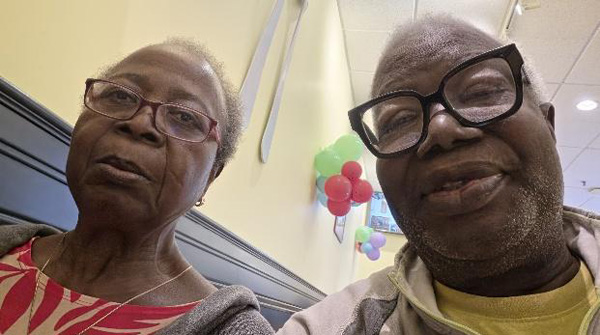
From a new beginning in Canada in 1981 to lasting impact in Ghana, John Hagan and his wife, Celestina, have seen how access to early literacy can change a family’s opportunities. After immigrating from Ghana, they received support from a Canadian couple in Dickson who were Rotarians and enrolled their two preschool children in licensed daycare despite the high cost and limited subsidies. That support gave the family access to daycare and early literacy, and the children’s rapid development shaped John and Celestina’s lasting belief in the value of early childhood education and community support. For more than 40 years, they advocated for early literacy in Calgary and Edmonton, particularly within African immigrant communities where daycare costs often kept children at home. As government subsidies improved access in Canada, their focus returned to Ghana, where early learning services remain urgently needed. OSL carries that lifelong commitment forward by creating opportunities for children and families in Entumbil and the surrounding rural communities.

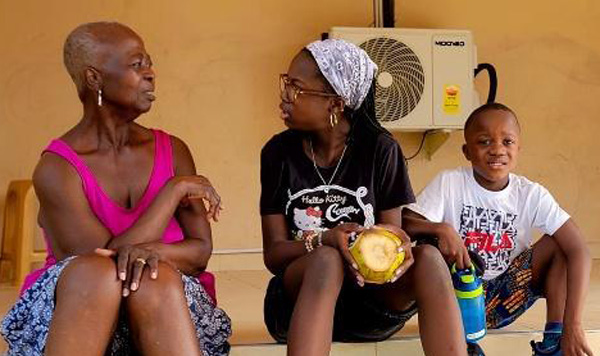

Together, John and Celestina describe themselves as “gracious, generous, poor philanthropists.” Without major funders, their resilient leadership, supported by dedicated volunteers, has sustained OSL for five years and moved the organization closer to self-sufficiency. Their story now invites others to help extend the same opportunity they once received by partnering with OSL to strengthen early learning for children and families in Entumbil.