The Program
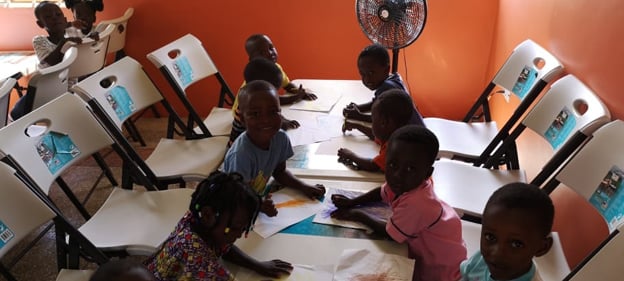
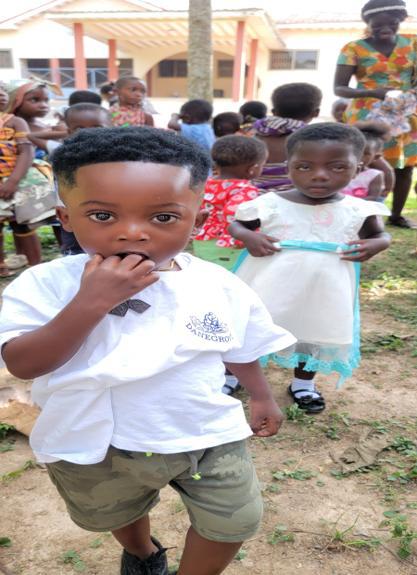
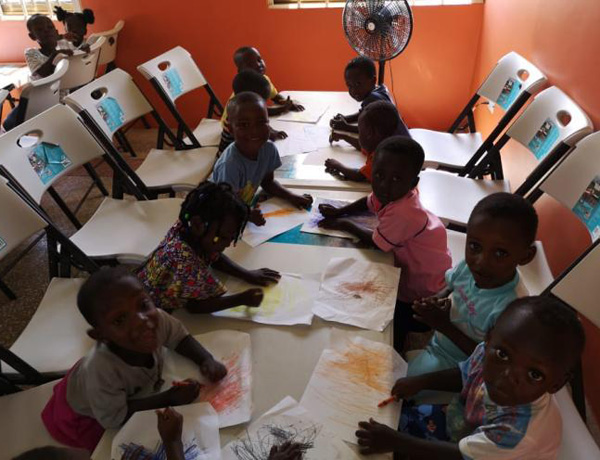
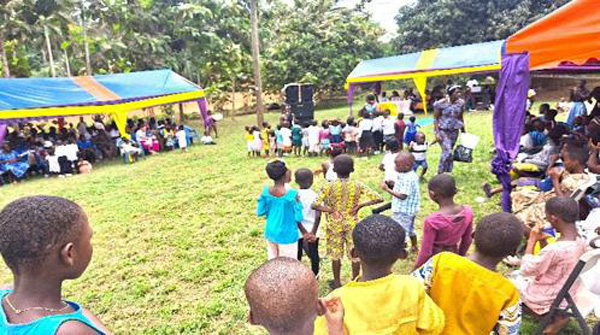
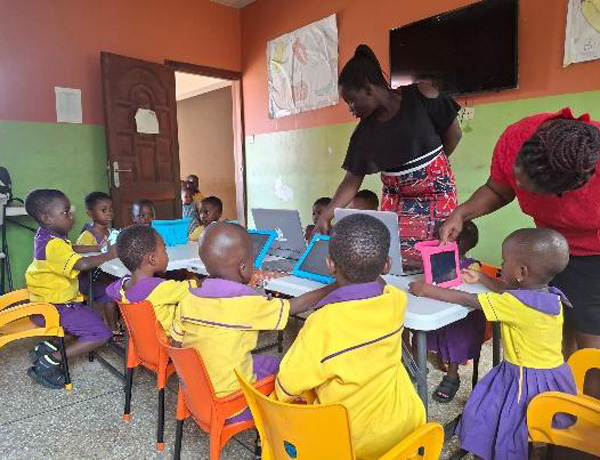
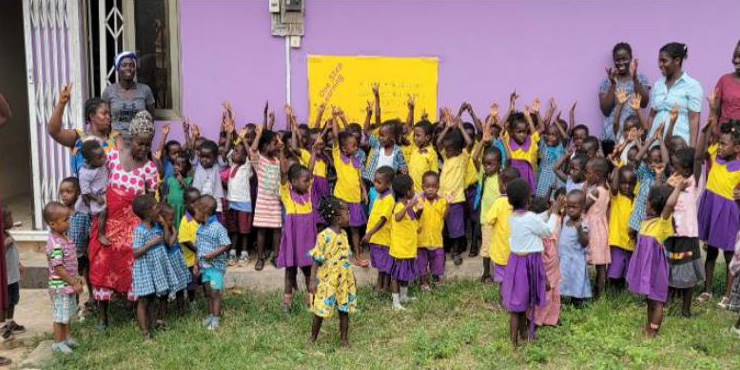
One Step Learning Daycare opened on October 18, 2021. It now provides bilingual, play-based early learning for children ages 0–6 from Entumbil and six surrounding rural towns. Children build proficiency in English and their local language, Fante, while exploring literacy, numeracy, creativity, movement, nature, and STEAM concepts (science, technology, engineering, arts, mathematics) through familiar experiences in the world around them.
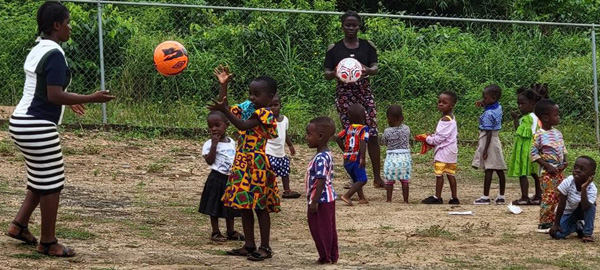
Learning Through Play helps children communicate ideas, solve problems, develop confidence, and prepare for primary school. OSL serves children from Entumbil and six surrounding towns, with daily attendance varying between 74 – 96 according to families’ ability to afford fees. Through familiar literacy, numeracy, creative, movement, nature, and STEAM activities, children express and apply ideas in English and Fante. Support from families, staff, volunteers, donors, and community partners helps OSL strengthen these foundations for preschool children in rural Ghana.
Gender Balance
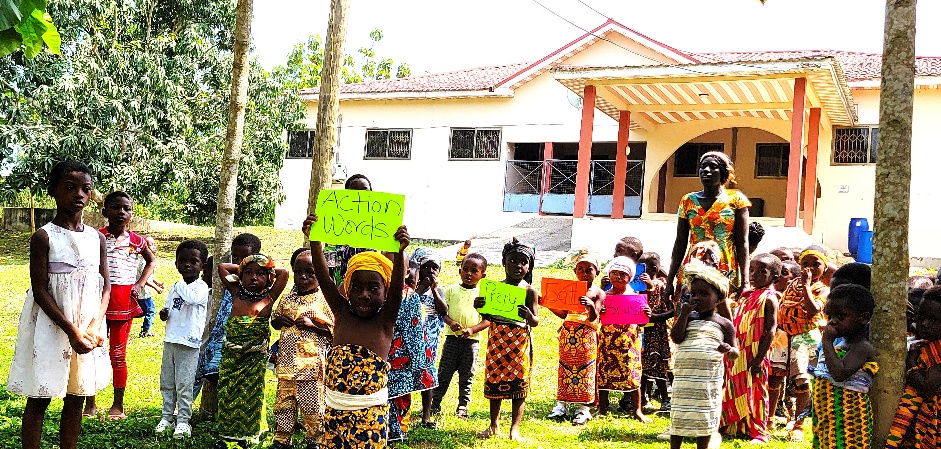
The Ghana Statistical Service’s 2010 Population and Housing Census District Analytical Report states that 12.5% of males aged three and older had never attended school, compared with 26.9% of females. This disparity limits girls’ and women’s educational, vocational, and employment opportunities in the district. UNICEF Ghana notes that poverty, gender barriers, and long distances to school prevent many girls from receiving an education. Rural children have potential, but communities such as Entumbil often lack the resources and infrastructure needed to develop their talents and lifelong learning skills.
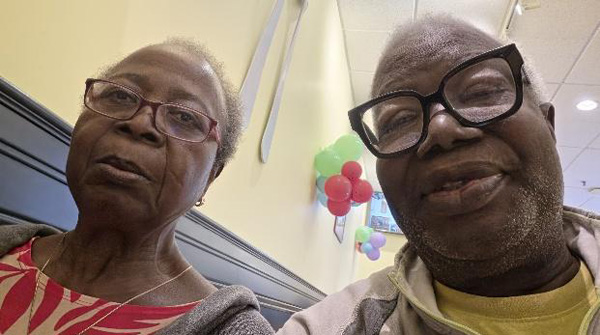
As grassroots Ghanaian Canadian diaspora leaders, OSL’s founders took an important first step by providing the community with a building and land rent-free for 30 years for early childhood learning. This locally driven solution addresses disparities in early literacy and education between girls and boys and aligns with Canada’s international assistance priorities. Learn more…  OSL Gender Based Analysis. The OSL model helps empower children, especially girls, to advance literacy, prosperity, and gender equality in the community.
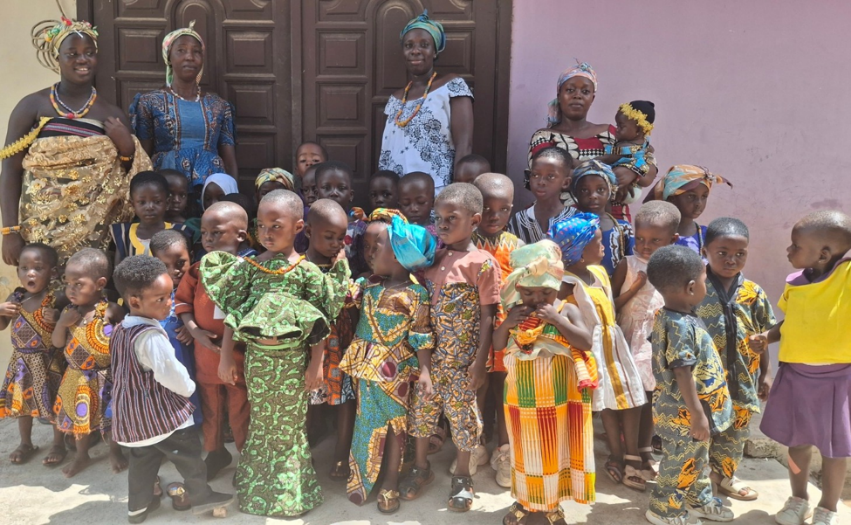
OSL does not restrict enrolment by gender. However, in 2026, for the first time in its five-year history, girls outnumbered boys, representing 52% of enrolment and attendance compared with 48% for boys. This achievement aligns with Canada’s international assistance priorities and reflects the growing commitment of parents and the community to early childhood education and social development through OSL. OSL invites potential stakeholders and funders to recognize and build on this progress.
Affordability and Sustainability
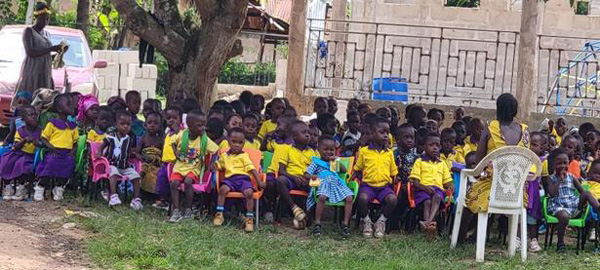
Entumbil is a low-income farming community where many families face financial barriers, and many girls and women have limited access to education and employment. For its first five years, OSL kept fees low to support affordability, but parent payments did not cover salaries, supplies, utilities, sanitation, and other operating costs. When possible, contributions from founders, donors, grant funders, and collaborators helped close the funding gap. In July 2026, EFLPA, management, and the founders responded to declining grants and donations by increasing the daily fee from GHC 7 to GHC 12, effective September 2026—a 71% increase. The change was necessary to sustain the daycare, although stakeholders expected attendance to fall.
Of 133 enrolled children, average daily attendance fell to 74 that month because some families could not consistently afford the increase. Community outreach helped attendance begin to recover in October 2026. OSL continues to balance affordability with the need for dependable local revenue towards sustainability.
Curriculum
In Ghana, preschool education before kindergarten 1 or 2 is not government funded, and early learning daycares do not have a national curriculum. Unlike the government’s 2019 Kindergarten Curriculum for KG 1 and 2, daycare programs operated by non governmental organizations, NGOs, and private institutions must develop their own curricula.
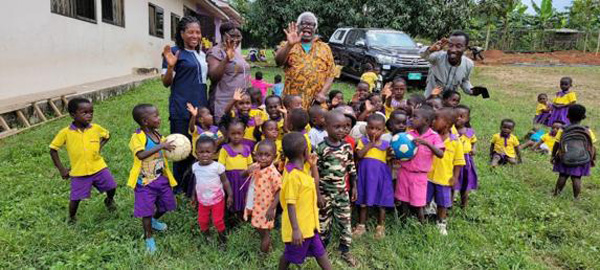
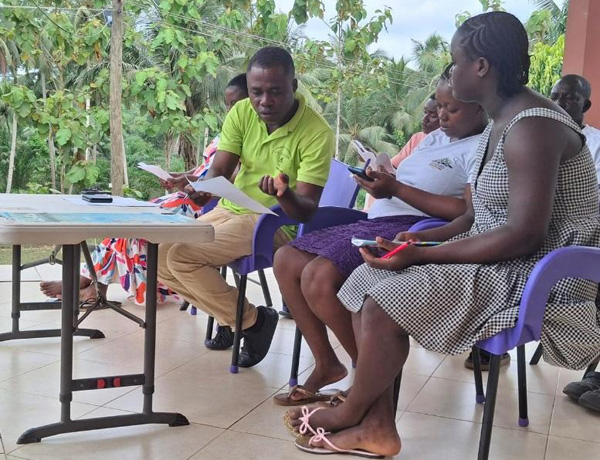
OSL’s founders live in Alberta, Canada, and have studied early childhood education at NorQuest College. OSL’s holistic Curriculum and Lesson Plans for 2026 and beyond draw on Ghana’s national Kindergarten Curriculum, Alberta’s Flight framework, and other relevant resources. The curriculum supports children’s well-being, brain development, and self-esteem. Delivering it effectively requires partnerships, volunteers, expertise, and funding. For example, when funding is available, the University of Cape Coast provides on-site staff development identified in OSL’s recent Needs Assessment.
Learning Garden Innovation Strategy
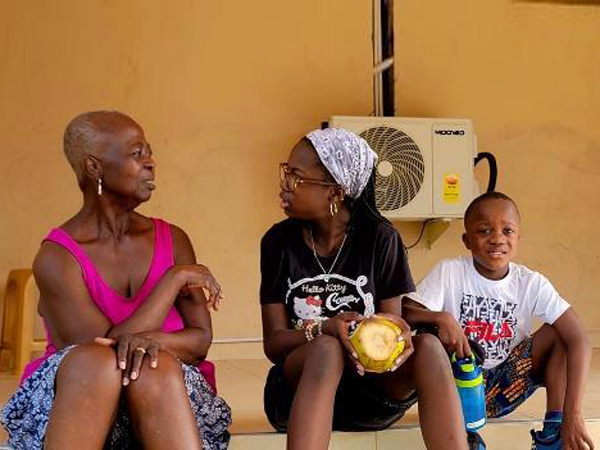
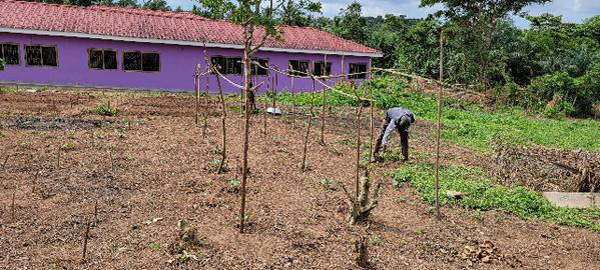
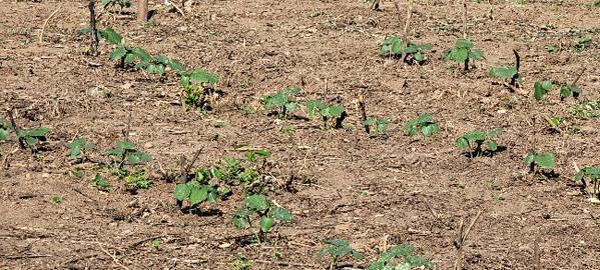
OSL’s fruit and vegetable garden is an outdoor classroom for literacy, numeracy, science, nutrition, health, creativity, and life skills. Located behind the daycare and visible from its windows, the garden encourages observation, questions, conversation, cooperation, and hands-on discovery using the rural environment.
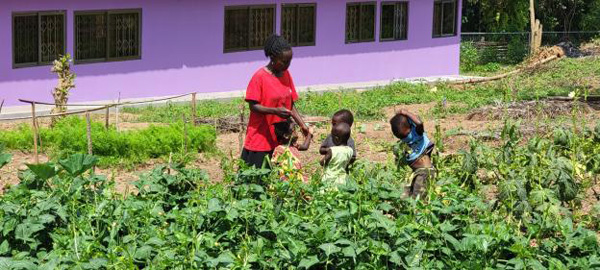
Learning areas supported by the garden include:
• Language, alphabets, numbers, arithmetic, shapes, and colours
• Science, nature, nutrition, health, and hygiene
• Birds, Music, drawing, imagination, and creativity
• Life skills, manners, culture, sharing, community values, and social roles
Environmental Conservation
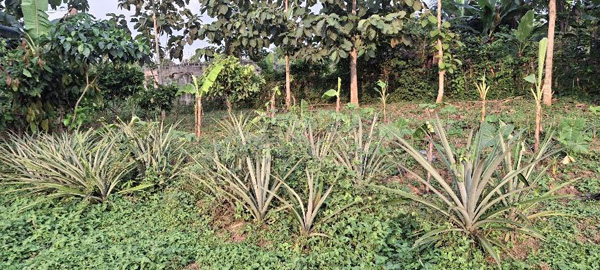
Within its fenced compound surrounded by nature, OSL maintains trees, a learning garden, a playground, and open areas for movement and outdoor learning. Priorities include safe play areas, waste reduction, water conservation, WASH, responsible use of fertilizers and pest control products, and donor-sponsored commemorative teak trees. These activities create a healthier setting while strengthening bilingual STEAM learning. OSL is expanding environmental learning and conservation within its established, fenced daycare compound in Entumbil as funding and collaboration become available.
Planned activities
• Maintain safe play areas and enhance existing green spaces.
• Sustain the children’s learning garden.
• Support waste reduction, water conservation, and WASH initiatives.
• Use black soil, grass, fertilizers, limited pesticides, and pest control products responsibly.
• Plant and care for commemorative teak trees that donors may sponsor for recognition.
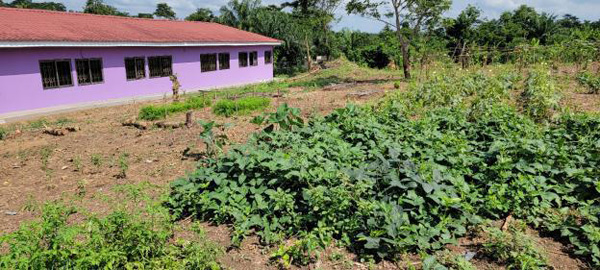
All work will remain within the fenced compound. Grass installation will be scheduled during vacation periods, weekly waste and sanitation routines will continue, and fertilizers and pest-control products will be applied according to safe-use practices. Funding will help create a healthier, more sustainable outdoor learning environment that strengthens OSL’s bilingual STEAM approach. These outdoor initiatives give stakeholders opportunities to contribute and receive appropriate name recognition.
Safe Transportation
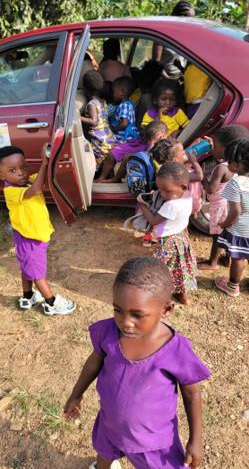 Needs Assessment identified safe transportation for children from the seven surrounding towns as a priority. OSL currently relies on a 23-year-old sedan that makes eight or more trips each day. The organization is exploring a social enterprise model to finance a used school van. Families now pay GHC 3 per day for transportation; financing and operating a safer vehicle would require an estimated daily fee of GHC 8 for approximately 80 children. The plan is feasible if OSL can secure financing.
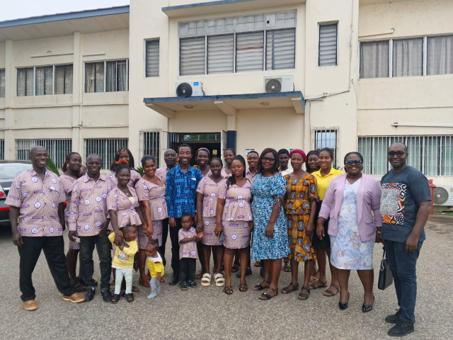
Staff Development
Safety and Child Protection
As a child-centred organization, OSL prioritizes preschoolers’ safety, protection, and well-being. Its PSEAH Policy safeguards children and defines the responsibilities of staff, volunteers, partners, and other stakeholders, while the Staff and Volunteers Handbook provides further guidance on safe, respectful conduct. Limited funding has made full implementation challenging. OSL is seeking collaborators to help train personnel and fully implement the policy.
Current priorities
• Expand supplies and expertise partnerships in WASH, nutrition, conservation, safety and other curriculum areas.
• Provide the resources needed to deliver OSL’s curriculum and lesson plans.
• Create local jobs and strengthen community participation.
• Develop research and training partnerships with educational institutions.
The program has exceeded its initial goals and continues to seek donors, collaborators, and technical expertise to deepen its impact.